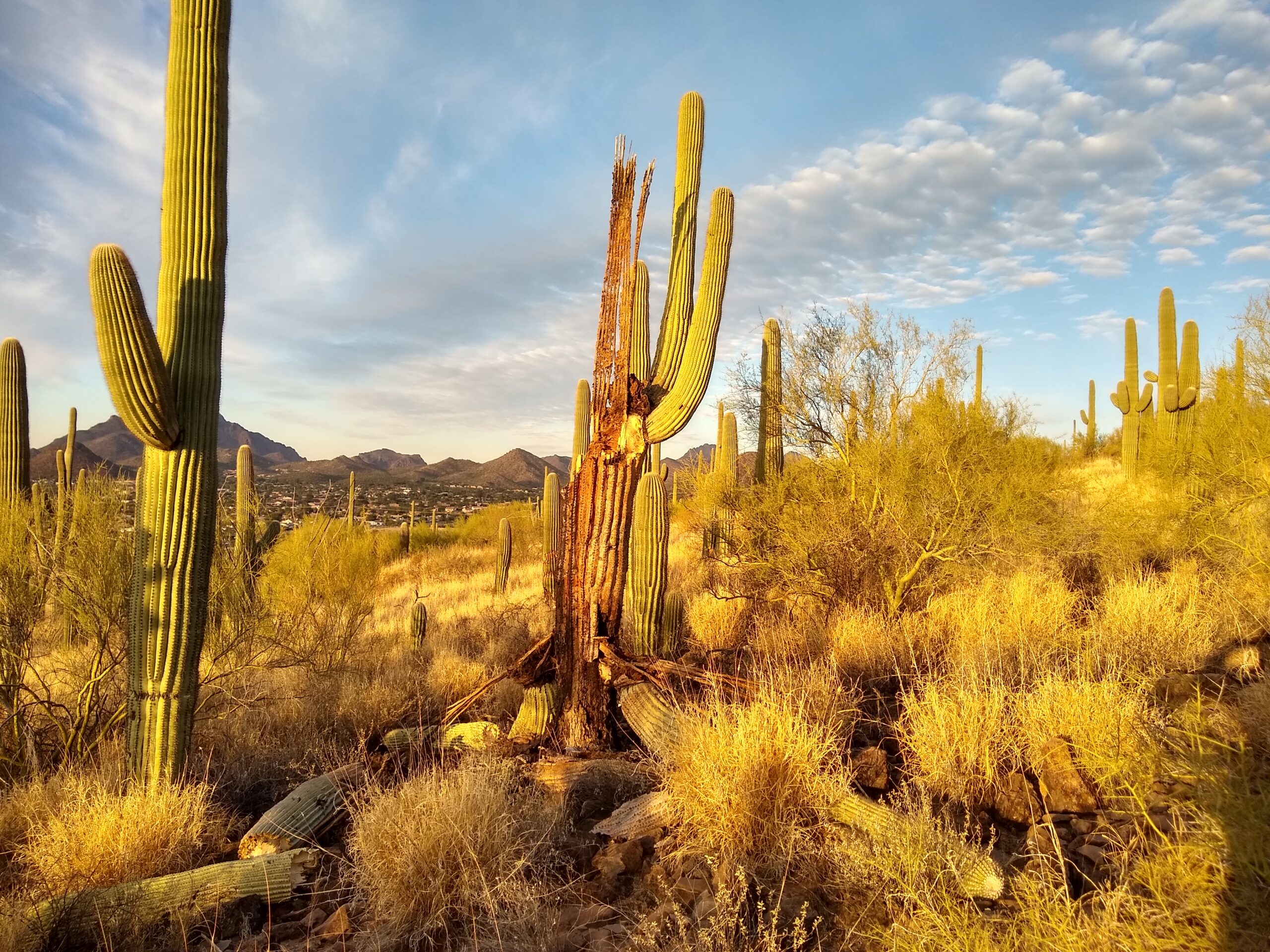
-

One thing I’ve learned the hard way: it’s crucial to inspect every variable in a data set, especially with a large number of variables, some of which are derived from other variables or downloaded from the web, etc. The current puzzle: calculating standardized precipitation evapotranspiration index (spei) using historical monthly time series data from Climate…
-

In the process of putting together climate, topographical, and vegetation data for habitat suitability models for saguaros in Saguaro National Park, and looking way back to a few different approaches I haven’t used for nearly a decade. The above is one of the historic plots in the Park, first surveyed in 1941 as part of…
-

A side project of my own volunteer interest has been a molecular phylogenomic approach to a genus in Cactaceae with several federally listed endangered species. As with many cacti, this genus has attracted the avid attention of both amateur and professional botanists over the years, with the predictable result being a set of tangled taxonomic…
-

What’s the essential information that characterizes the niche of a species like the saguaro cactus? This is the big conceptual framework we’re currently investigating, as we look at saguaro habitats in Saguaro National Park. The above view is from the historic buildings of the Desert Lab on Tumamoc Hill, where I have my office. You…
-

Pediocactus nigrispinus in habitat on Babcock Bench in One of the annoying features of contemporary science is a weird rush to publish. There’s a sense of pressure. As if something published sooner rather than later is somehow better. It can sometimes get actually insane-feeling. I generally see the value of knowing when a project, its…
-

The above is the lovely view from outside my office on Tumamoc Hill in Tucson. The latest project is not related to Tumamoc saguaros, however, but to Saguaro National Park. Funded by USGS, the research is aimed at estimating suitable habitat for saguaros within the Park boundaries, and then projecting to the year 2100 to…
-
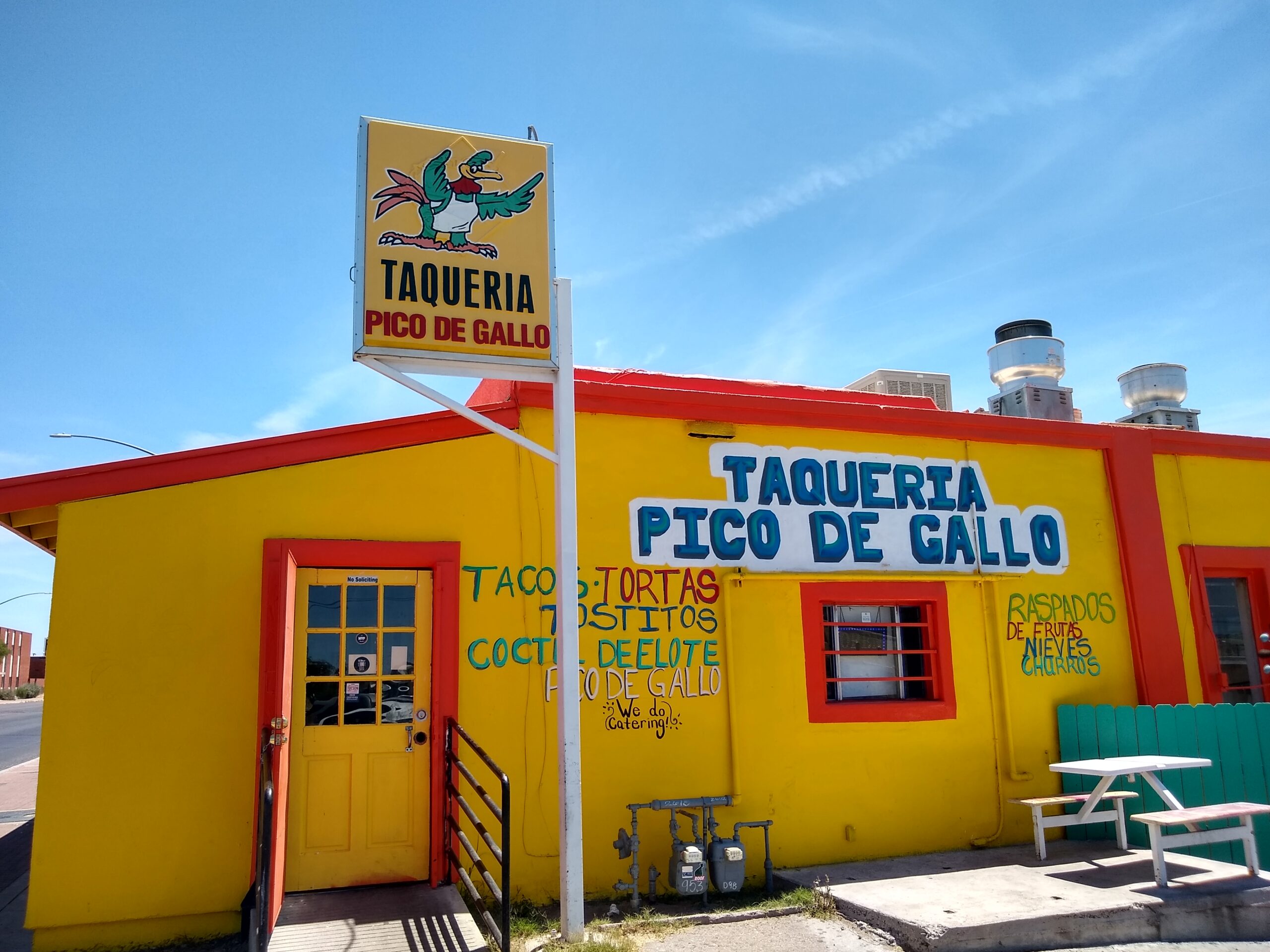
I’ve been streamlining legacy data sets the past week or so, such as daily min/max temperatures recorded on Tumamoc Hill from roughly 1906 to 1995, but with a lot of missing data, and some errors caused by faulty readings. If it were a complete set of daily readings over that time, it would be more…
-

The past couple of weeks have involved some steep learning curves. For one project, I’m running analyses in RevBayes, a very powerful Bayesian platform for doing all sorts of things related to phylogenetics. The two analyses I’m running are a divergence time estimate, and an ancestral biogeography, in a script that simultaneously infers the phylogeny…
-
One thing that I have learned repeatedly over the past 11 years or so, which of course I already knew, is that there’s always new skills to learn. Steepest learning curve of my early Ph.D. process was definitely the R programming language. I ended up doing maybe 80% of the data analysis for the dissertation…